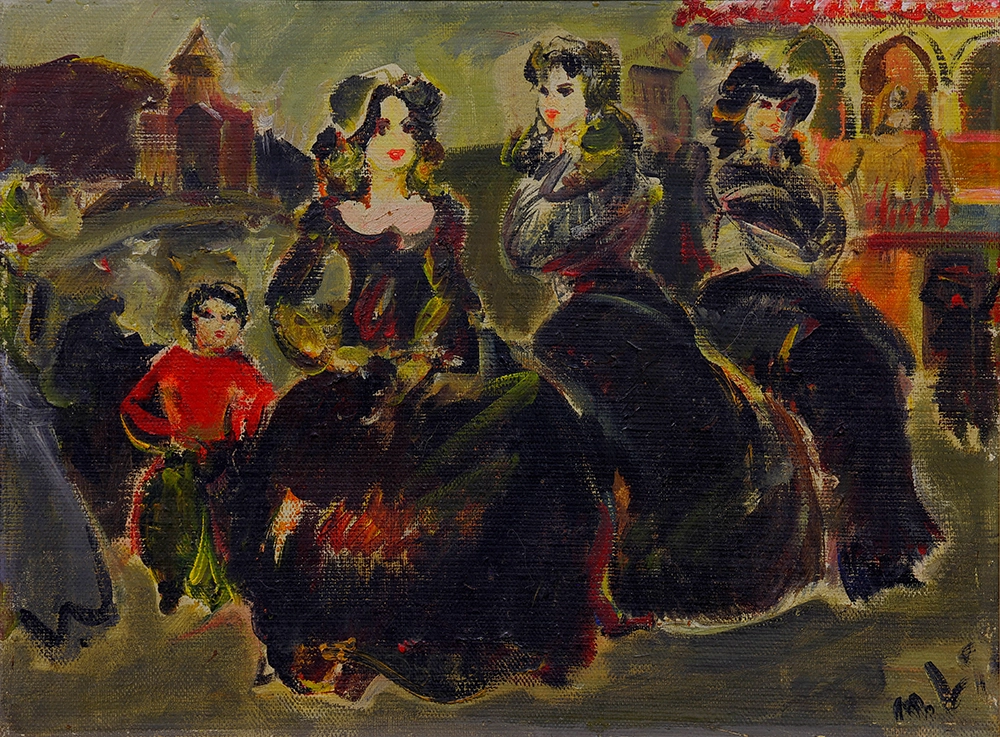
The Three Graces. 1992
Oil on canvas
30 x 40 cm
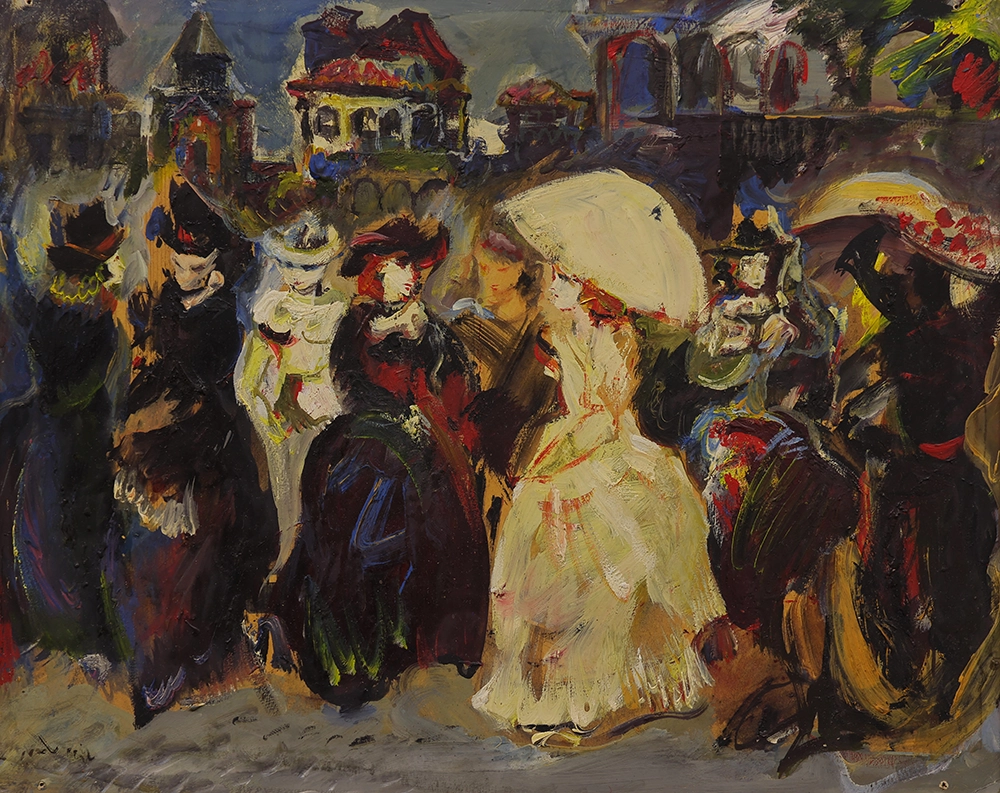
Old Tbilisi. A Stroll. 1992
Oil on cardboard
35 x 41 cm
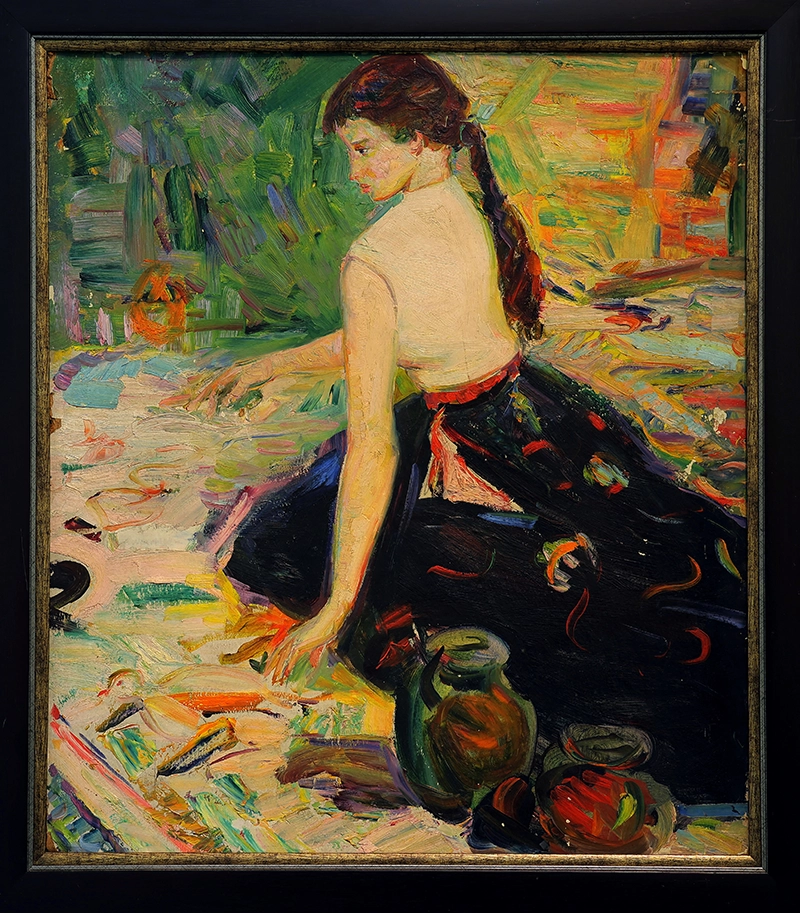
Seated Lady. Circa 1960-1970
Oil on cardboard
57 x 50 cm
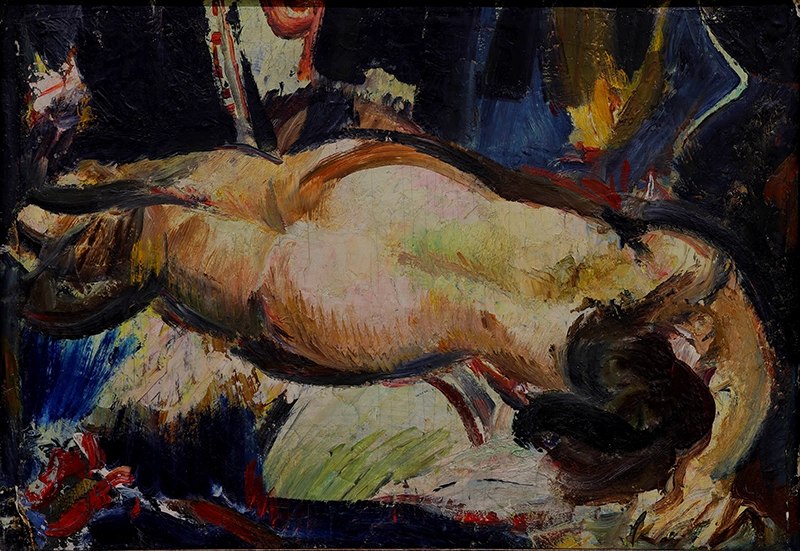
Reclining Nude (Back View)
Circa 2000s
Oil on canvas mounted on 35 x 50 cm
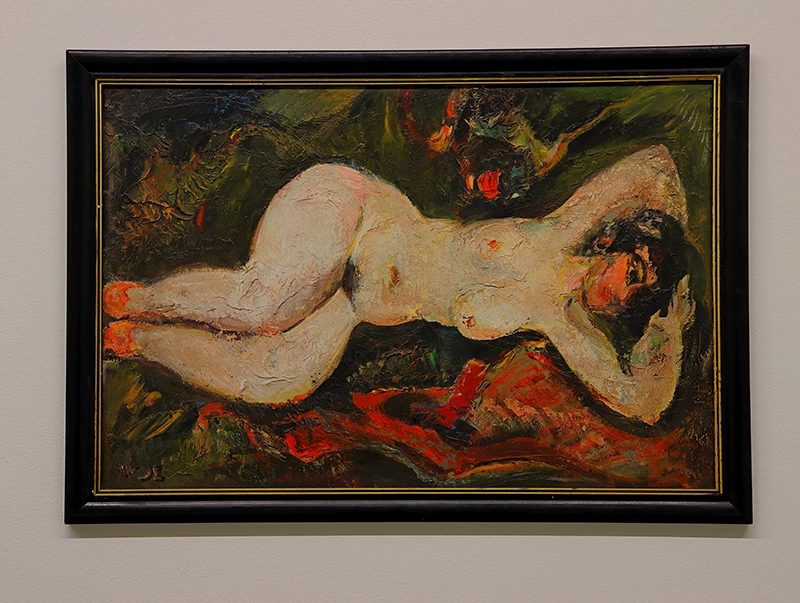
In the Studio. 1998
Oil on canvas
54 x 81 cm
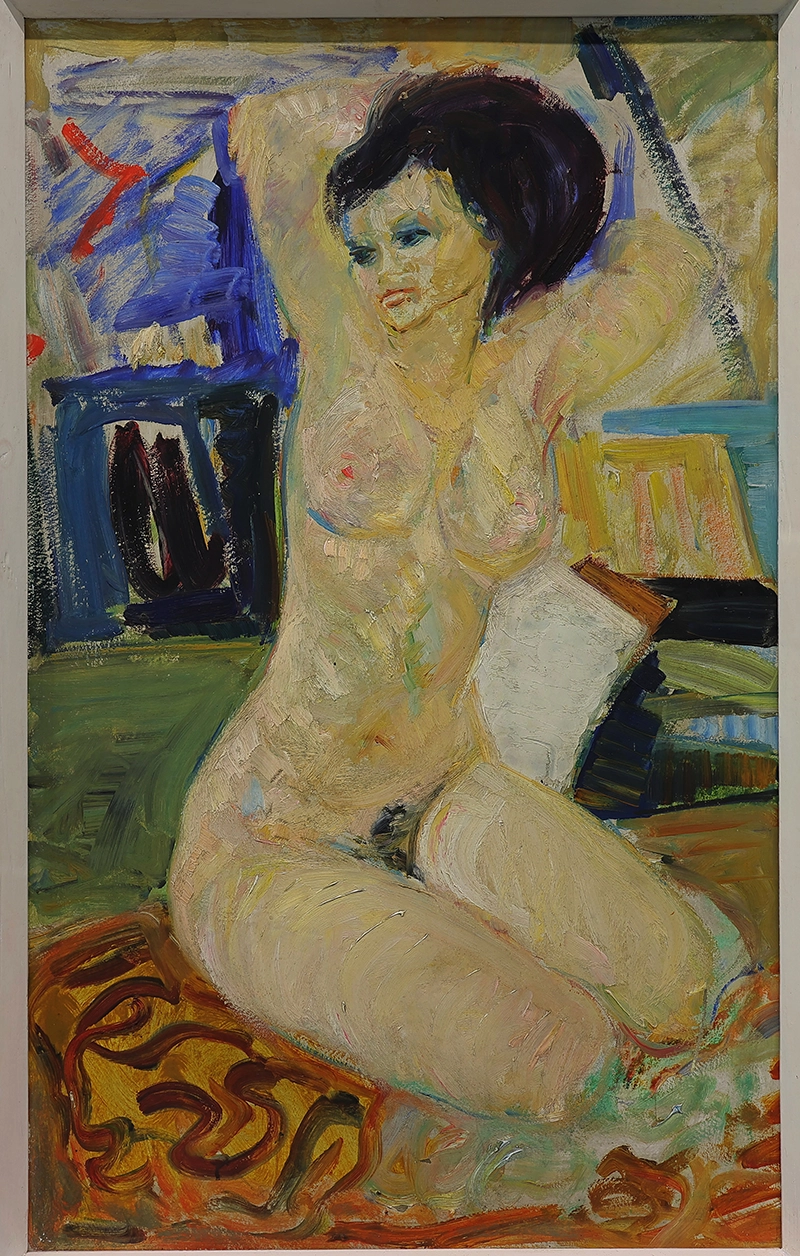
Seated Étude (Nude). 1968
Oil on cardboard
80 x 50 cm
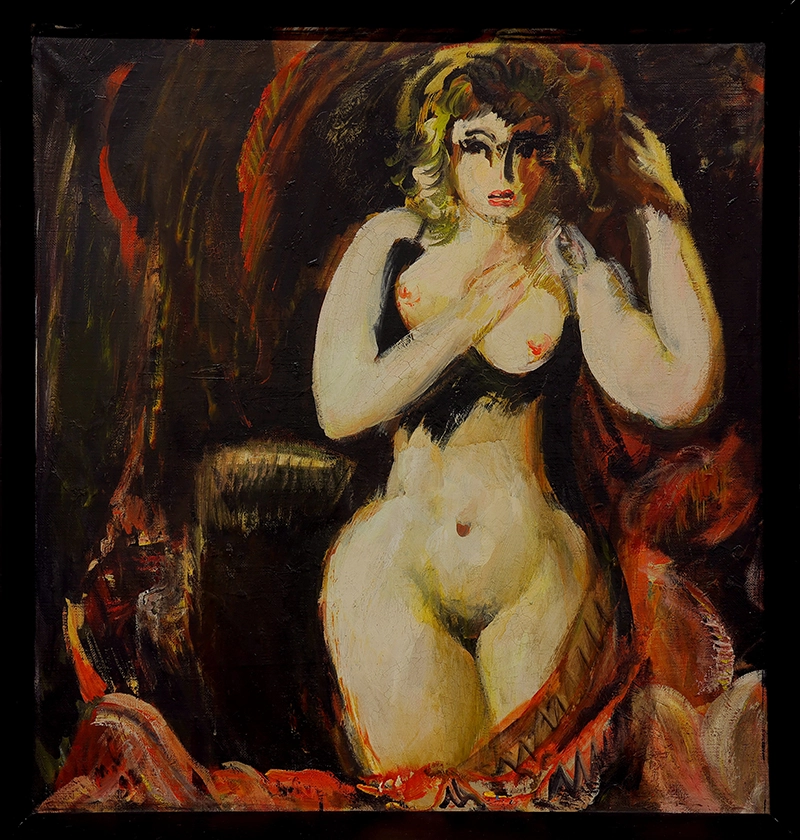
Nude Torso. 1990
Oil on canvas
81 x 75 cm
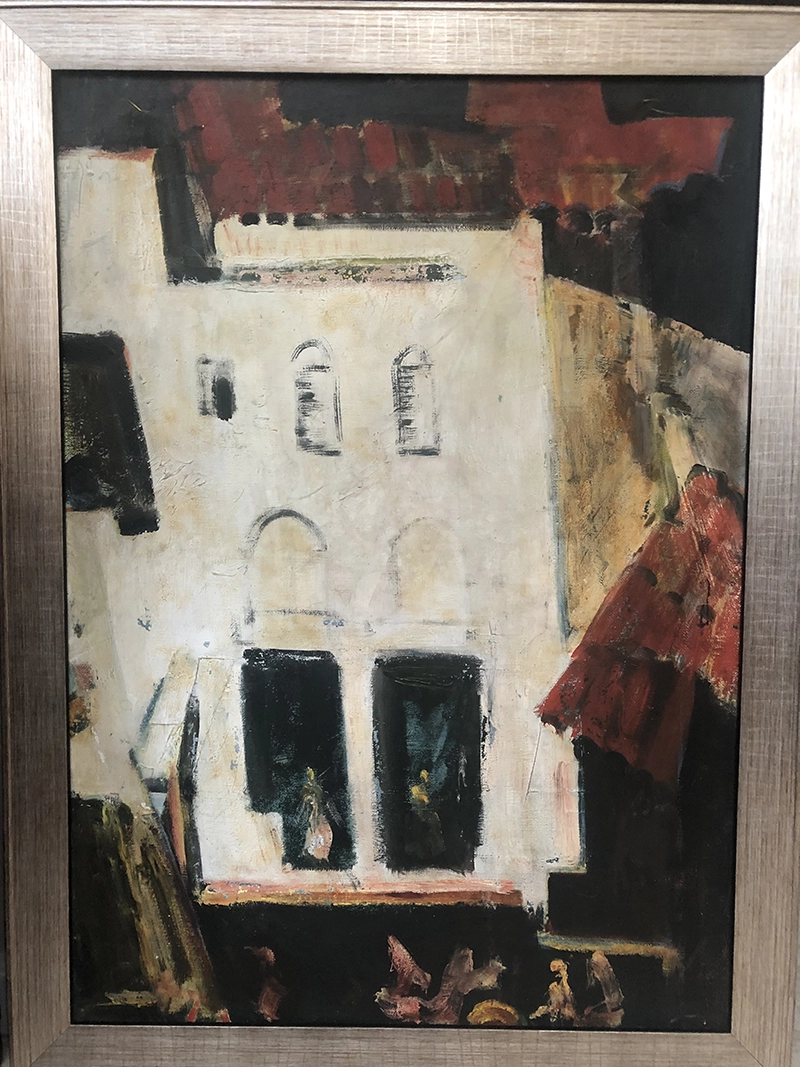
The House. 1998
Oil on canvas
90 x 65 cm
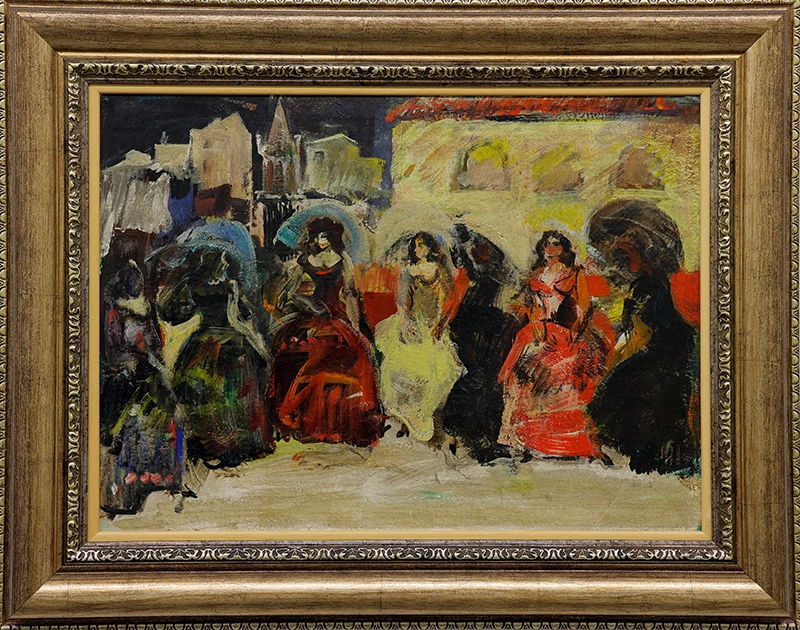
Strolling in Old Tbilisi. Circa 2000s
Oil on cardboard
38 x 52 cm
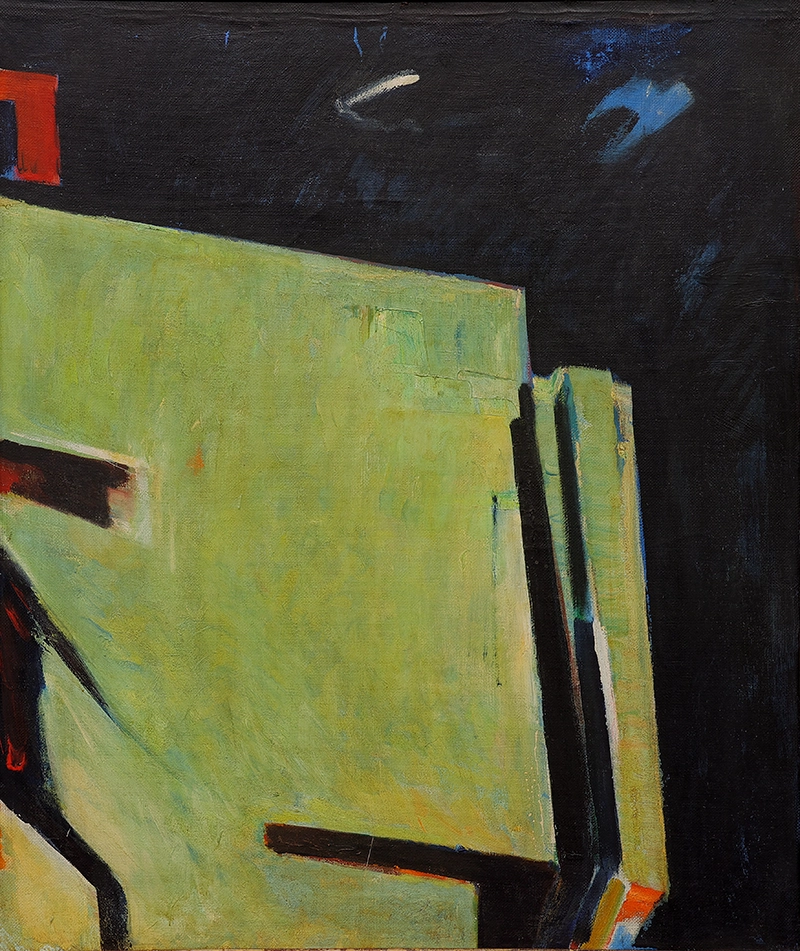
The Wall. 1998
Oil on canvas
81 x 68 cm
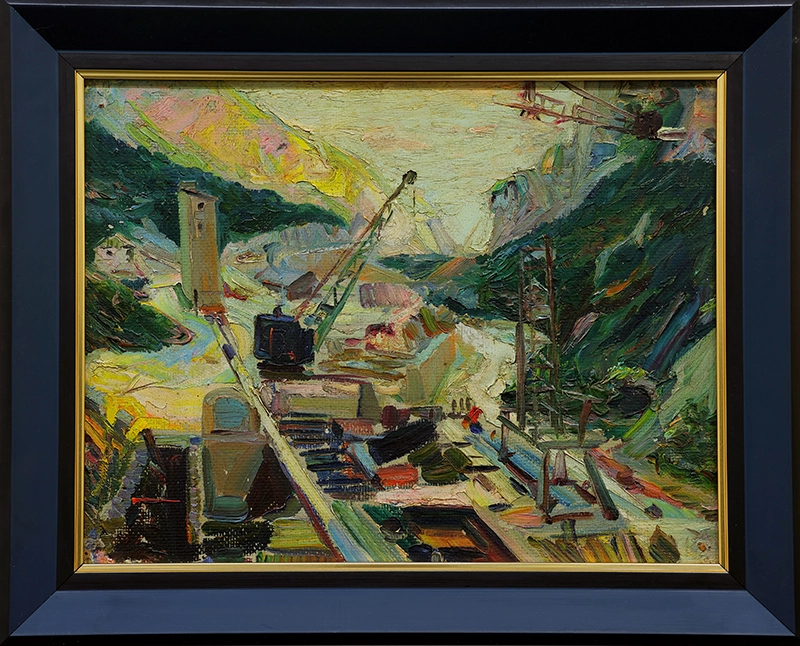
Construction. 1960
Oil on canvas mounted on cardboard
28 x 36 cm
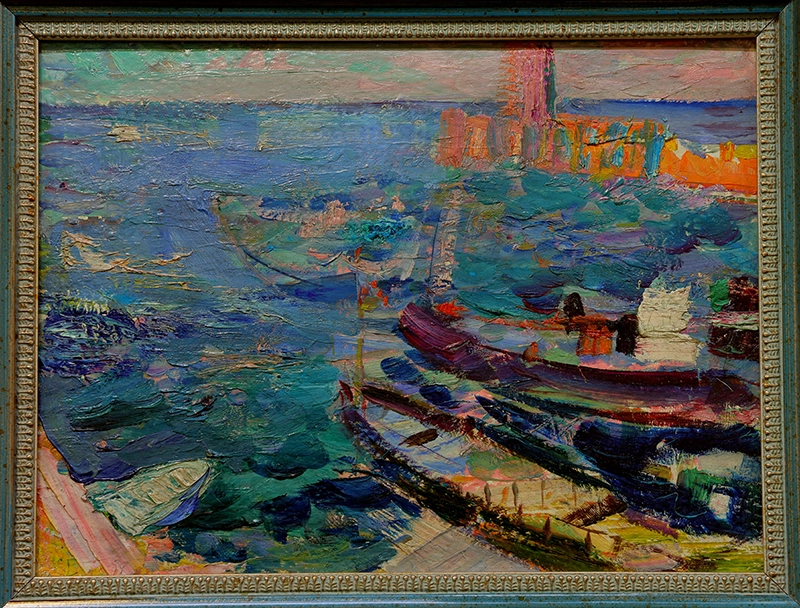
The Port of Poti. Boats. 1960
Oil on canvas
21 x 29 cm
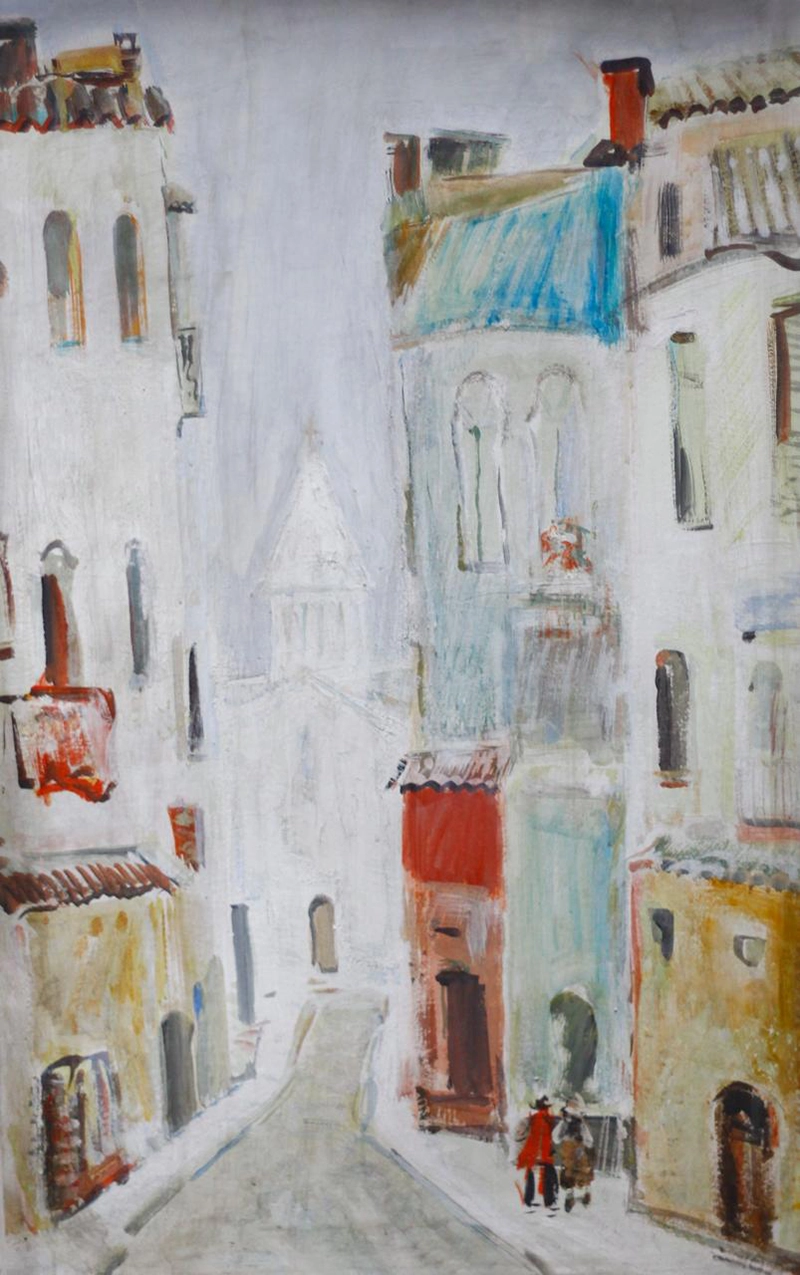
Old Street and Church. White Tbilisi 1998
Mixed media on canvas
80 x 50 cm
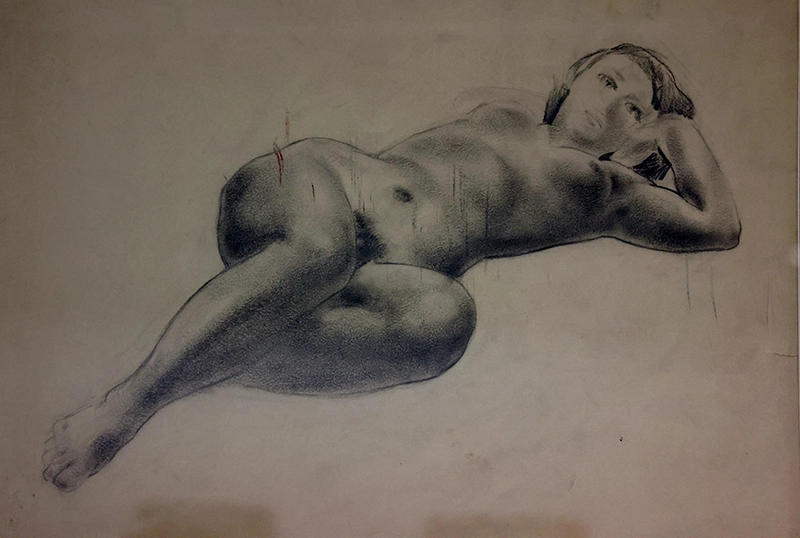
Reclining Nude. Circa 1980-1990
Pencil on paper
33 x 44 cm
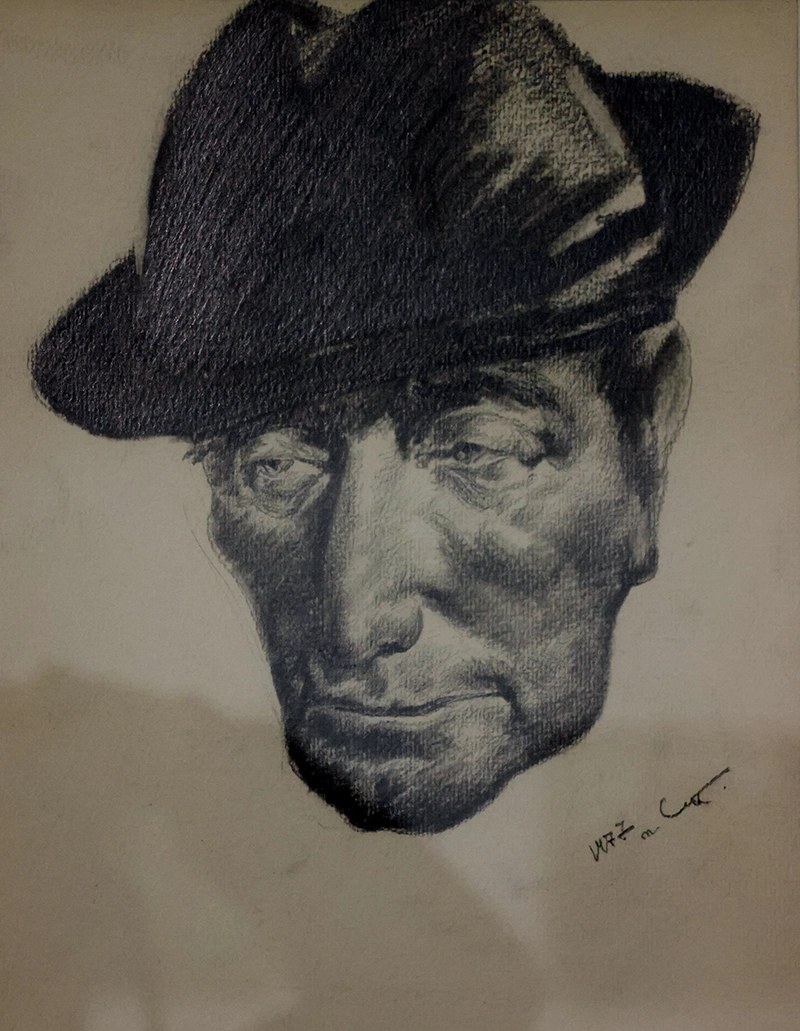
Graphic Work. Circa 1980-1990
Pencil on paper
35 x 24 cm
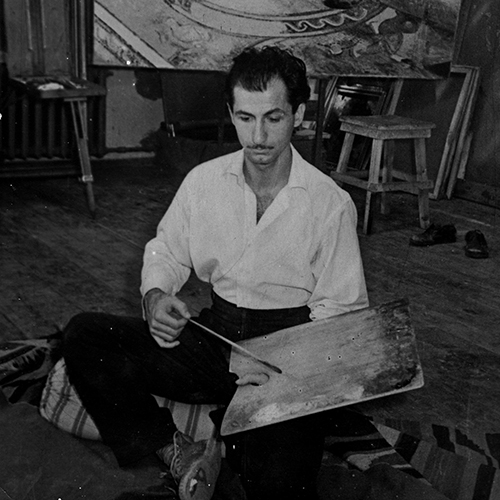
Otar Sulava (1926-2000) was an Honored Artist of Georgia, graphic artist, and member of the Union of Artists of the USSR. Over the course of his career, he served as a member of the Bureau of the Union of Artists of Georgia, Chairman of the Monumental Art Council, and a lecturer at the Tbilisi State Academy of Arts.
His works are held in the Dimitri Shevardnadze National Gallery, the Shalva Amiranashvili State Museum of Art, the Sighnaghi Artist’s House collection, the Z. Paliashvili Museum, as well as in numerous state and private collections in Georgia, England, Yugoslavia, France, and other countries.
Otar Sulava graduated from the Tbilisi State Academy of Arts in 1952. His exceptional talent for painting was evident already during his studies. Together with fellow artists Gibson Khundadze, Zura Medzmariashvili, and Jean Medzmariashvili, he was among the innovators who introduced a new coloristic and formally diverse direction in Georgian painting. Due to this artistic position, Sulava was twice expelled from the Academy, though on both occasions later reinstated and honored.
During this period, Georgian painting entered a new stage of development, marking a transitional moment in its evolution. The exploration of coloristic transformation occupies an important place in Sulava’s oeuvre.
In the 1950s, the artist demonstrated a wide genre range. From the outset, he worked across landscape, portrait, and still life, consistently introducing themes of novelty and experimentation — genres that remained central to his practice throughout his life.
During the 1950s, Sulava actively participated in archaeological expeditions across Georgia, including Bichvinta, where he worked alongside Lado Gudiashvili on the restoration of mosaics. In his book “The Book of Memories”, Lado Gudiashvili recalls the young artist and their shared working period.
During this time, Sulava produced a variety of landscapes and portraits, as well as the significant painting “Restoration of the Mosaic” (1957), dedicated to this experience. The work is currently held in the Shalva Amiranashvili State Museum of Art.
A particularly significant segment of Sulava’s oeuvre belongs to the 1960s-1970s. Working within the constraints of socialist realism, he succeeded in creating works of strong artistic value, where figures acquire individual character, enriched coloristic expression, and are freed from the rigidity of standardized compositional templates.
During this period, he created a series of “Yugoslav Landscapes”, including “Ljubljana” (1969), “Houses with Roofs”, and others.
While traveling in Spain and Italy, Sulava produced a number of works inspired by his impressions, including Grand Canal. “Venice” (1980), “Small Canal. Venice” (1990), “England”, “East”, “Dance in Spain”, and others.
Across all stages of his career, Otar Sulava remained faithful to his artistic vision, with a consistent focus on the deep understanding of color and form. This is clearly expressed in his numerous portraits of friends and family members, including “Portrait of Merab Berdzenishvili” (1989), “Actor” (1997), and “Nino” (1987).
The artist searches for the most characteristic expressive stroke, capturing psychological depth, the moment of thought, and the inner world of the subject. Color in his work carries strong emotional intensity. His expressive manner is defined by a refined sense of form and composition, where a unified chromatic structure is animated by vivid color accents.
In 1987, the portrait “Nino” was awarded a gold medal at an international exhibition in Tokyo.
A further significant theme in Sulava’s oeuvre is the nude — the human body in all its richness and nuance. Within Georgian art, he is considered one of the most accomplished masters of this genre. Works include “Seated Etude” (1968), “At the Mirror” (1980), “Seated Nude” (1987), “Nude Woman in the Studio” (1990), and others.
In the final decade of his life (late 1990s-2000), Sulava’s artistic expression gained particular strength. His mature period is characterized by greater freedom of execution and the use of diverse painterly techniques. Many works from this time reveal chamber-like compositions and subtle references to Western classical painting traditions. His palette gains new nuance and depth, with a more pronounced “breathing” of color.
Works from this period include “Three Graces, Walk” (1992). “Old Tbilisi” (1993), “White House” (1998), as well as abstract works such as “Wall” (1998), “In the Mountains” (1993), and “Impression” (1990), among others.
In 2000, an exhibition was held in London as part of the “Georgian Culture Days,” which proved significant for the artist. His work “Nude. Etude” was successfully sold in London.
Otar Sulava was a master of expressive painterly language, to which he devoted his entire life, leaving behind a diverse and stylistically evolving artistic legacy. Across different periods, his manner and coloristic approach changed, yet he consistently remained a refined and expressive painter.
Following the artist’s death, two major solo exhibitions were held. It featured more than 120 works from the collections of the D. Shevardnadze National Gallery and the Shalva Amiranashvili State Museum of Art, as well as works from the collection owned by his wife, Nina and son, Davit.
The second, an anniversary retrospective marking the 100th anniversary of the artist’s birth, was held in 2026 at the Dimitri Shevardnadze National Gallery. It featured more than 120 works from the collections of the D. Shevardnadze National Gallery and the Shalva Amiranashvili State Museum of Art, as well as works from the wine/son collection. The exhibition presented the full breadth of Sulava’s artistic legacy and confirmed the growing contemporary interest in his work.
Exhibitions Worldwide:
1966
Germany — Autumn, Mountain Pasture, Spring, Imereti, Svaneti
1975
Vilnius — Mengrelian Portrait
1976
Belgium — Svaneti
1987
Japan (IAI) — Nino — Gold Medal
2000
London — Nude. Etude
1958-1960
Moscow, Sweden, Paris, Moldova, Armenia, Azerbaijan, Ukraine…
1955-2000
Regular participation in exhibitions in Georgia and the Soviet Union
2016
Solo retrospective exhibition, IART Gallery
2026
Anniversary retrospective exhibition, Dimitri Shevardnadze National Gallery